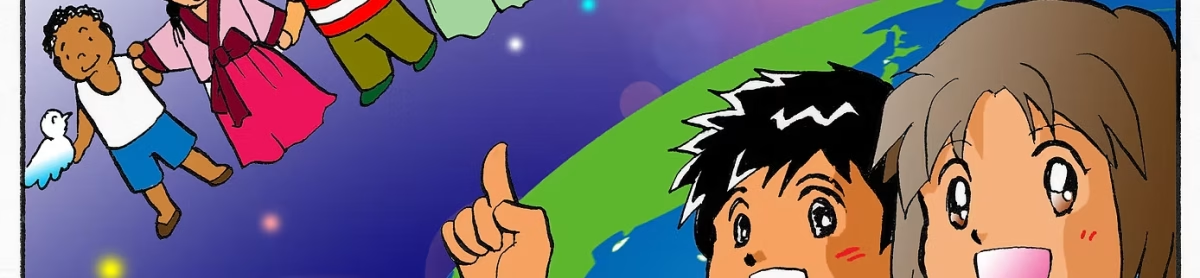
大地を証人として呼ぶ
Calling the Earth to Witness
おはようございます。私は今、屋外に坐っています。お話を始める前に、しばらく耳を澄ませてみてください。
私には、壁のない禅センター「Boundless Ground Zen(無辺の大地の禅)」を創りたいという夢があります。
今、私が坐っている足元の大地は、昨夜の激しい嵐の雨でまだ濡れています。空気は澄んで爽やかで、雨にたっぷり潤された直後の砂漠特有の、何とも言えない香りを運んできます。私は長い間、坐禅をすべて屋外で行う、壁のない禅センターを始めたいという夢を抱いてきました。
ここには壁がありません。空だけが屋根であり、この大地だけが床です。私の周囲には、低木やバラ、小鳥たち、そして十一月初めの季節の気配があります。皆さんがどこにいても、そうしたものは皆さんの周りにもあるでしょう。
壁のない禅堂を想像してみてください。そこでは大地は単なる修行の背景ではなく、修行そのものの一部なのです。
まず、大地にまつわる仏教の最も古い物語から始めたいと思います。
シッダールタが覚醒した夜、彼は菩提樹の下に坐り、悟りを得るまでは決して立ち上がらないと誓いました。
そこへ、恐怖と疑念の声であるマーラ(魔王)が現れ、彼を坐から引き離そうとしました。マーラはまず軍勢を送り込み、次に欲望で誘惑し、最後に最も鋭い武器である問いを投げかけました。
「お前は何者で、ここに坐っているのか。誰がお前の正当性を保証するのか。誰がお前の証人となるのか。」
シッダールタは議論しませんでした。自分の徳を並べ立てることも、神や師に助けを求めることもしませんでした。
ただ右手を伸ばし、大地に触れたのです。
すると、大地が応えました。
ある伝承によれば、大地の女神が現れ、その長い髪を絞って水を流したといいます。それは、シッダールタが過去に行ったすべての布施の功徳を表す水でした。大洪水が起こり、マーラの軍勢を押し流しました。
数え切れないほど多くの仏像には、右手の指先を地面につけて坐る仏陀の姿が表されています。
これが触地印(降魔印、bhūmisparśa mudrā)です。
考えてみてください。仏陀が最も証人を必要としたとき、彼が呼びかけたのは大地だったのです。
覚醒は大地の上方で起こったのでも、大地から離れて起こったのでもありません。大地との接触の中で起こり、大地そのものがそれを証明したのです。
伝統的な禅堂は美しいものです。壁や床、静かな堂内は、私たちの心を落ち着かせてくれます。
しかし、壁は私たちが意図しなかったことを、知らず知らずのうちに教えてしまうこともあります。
「修行はこの内側で行われ、世界はその外側にある」という考えです。
屋外では、その考え方が逆転します。
ここでは、風も坐禅の一部です。手に感じる冷たさも、ひと呼吸の途中で鳴くカラスの声も、坐禅の一部なのです。
それらは何一つ妨げではありません。そのすべてが修行そのものだからです。
詩人ゲーリー・スナイダーは、生涯を通してこの問題に取り組んできました。
彼は1950年代から1960年代にかけて日本の禅寺で修行し、その後アメリカに戻って、シエラネバダ山脈の麓で生活を築きました。
著書『亀の島(Turtle Island)』や『野性の実践(The Practice of the Wild)』において、彼は私たちに、自分が実際にどこに生きているのかを知るよう問いかけます。
私たちはどの流域に暮らしているのでしょうか。この土地には何が育つのでしょうか。春にはどんな鳥が渡ってくるのでしょうか。私たちより前には誰がこの土地に暮らしていたのでしょうか。そして、今も誰がここに暮らしているのでしょうか。
ゲーリー・スナイダーは、詩「フレイジャー・クリーク滝のほとりで(By Frazier Creek Falls)」において、隆起し折り重なった岩の上から谷や山々を眺め、風に揺れる松の枝葉に耳を澄ませます。
そして、流れ続ける生きた大地こそが現実であり、私たち自身もその大地の一部であって、大地の生命が私たちを通して歌っているのだと表現しています。
詩の原文:
https://ryepoetrypath.ryelibrary.org/by-frazier-creek-falls/
私たち自身が、この大地なのです。
屋外で坐ることは、その事実に気づくよう私たちを誘います。
私たちは世界から離れて坐り、自然を眺めているのではありません。自然のただ中に坐っているのです。
濡れた大地、爽やかな空気、雨上がりの砂漠の香り。これらは修行の背景ではありません。
これこそ、私たちが属している生命そのものなのです。
スナイダーはこれを「再びその土地に住まうこと(reinhabitation)」と呼びます。
土地に深い注意を向けることによって、再びその土地に根ざした存在になるということです。
彼にとって、修行は自分が坐っている大地を含むまでは完成しません。
坐蒲の上で瞑想することと、小川の名前を知ることは、別々のことではないのです。
そこで、一つ問いかけたいと思います。
もし大地が、私たちの人生とこの時代の証人として呼ばれたなら、大地は何と答えるでしょうか。
私は、皆さんに罪悪感を抱かせるために、この問いを投げかけているのではありません。
罪悪感は私たちを萎縮させます。心を開かせるものではありません。
私がこの問いを投げかけるのは、禅が正直に現実を見つめることから始まるからです。
大地は、私たちの世代が行ってきた多くのことを目撃してきました。
伐採された森林、せき止められた河川、均衡を失った気候。
しかし同時に、大地は木を植え、小川を清掃し、再び耳を澄ますことを学び始めた人々の姿も目撃してきました。
大地は今も私たちの証人です。
問題は、これから私たちが大地に何を見せるかということなのです。
ここで、私たちの禅センターの名前について少しお話しします。
「Boundless(無辺)」は、これから皆さんと共に唱える菩薩の誓願に由来します。
「法門無量誓願学」
「法門は無量なり、誓って学ばん。」
「Ground(大地・根底)」には二つの意味があります。
一つは、私たちの足元にある土、大地です。
もう一つは、すべての生命がその上に成り立っている唯一の現実、存在の根底です。
「Boundless Ground(無辺の大地)」とは、あらゆる場所が法門であり、どのような大地の一角も禅堂であるという意味なのです。
ですから、私はこのように始めたいと思います。
何かを建てることからではなく、すでにここにあるものの上に坐ることから。
今週、皆さんも自分の住んでいる場所で外に出て、ひざまずき、右手のひらを大地につけてみてください。
その温度と感触を味わってください。
そして、この一週間のうちに、自分の住む土地について三つのことを学んでみてください。
- 自分が暮らす土地の流域の名前。
- そこに育っている植物の名前を一つ。
- 冬の間もそこにとどまる鳥の名前を一つ。
ロバータ 大法露風
Calling the Earth to Witness
Good morning. I’m sitting outside. Before I say anything, just listen for a moment.
I have a dream of creating Boundless Ground Zen that is a Zen center without walls. Sitting outside, the ground beneath me is still wet from a big storm last night. The air is clear and fresh, carrying that unmistakable smell of the desert when it has just been soaked by rain. For a long time, I have carried a dream of starting a Zen center without walls, a place where zazen is practiced entirely outside.
There are no walls here. The sky is the only roof and this ground is the only floor. Around me are the scrubs, the roses the birds, and the weather of early November. Wherever you are, those things are around you too. Imagine a zendo with no walls, where the earth is not merely the setting for our practice, but part of the practice itself.
I want to begin with the oldest story in Buddhism about the earth.
On the night of his awakening, Siddhartha sat beneath a fig tree and vowed not to rise until he understood. Mara, the voice of fear and doubt, came to unseat him. First Mara sent armies, then desire, and then the sharpest weapon of all, a question: Who are you to sit here? Who will vouch for you? Who is your witness?
Siddhartha did not argue. He did not list his virtues or call on a god or a teacher. He reached down with his right hand and touched the earth.
And the earth answered. It is said in some tellings, the earth goddess rises up and wrings the water from her long hair, the water of all his past acts of generosity. A flood sweeps Mara’s armies away. In countless statues the Buddha sits with his right fingertips resting on the ground. This is the bhumisparsha mudra, the earth-touching gesture.
Just think of this: when the Buddha most needed a witness, he called on the ground. Awakening did not happen above the earth or apart from it. It happened in contact with it, and the earth itself confirmed it.
Traditional zendos are beautiful. Walls and floors and a quiet hall help us settle. But walls can also teach a quiet lesson we never meant to learn, that practice happens in here, and the world is out there. Outside we turn that lesson around. Out here, the wind is part of zazen. So is the cold on your hands and the crow that calls in the middle of a breath. None of it is a distraction, because all of it is the practice.
The poet Gary Snyder has spent a lifetime with this question. He trained in Zen monasteries in Japan in the 1950s and 1960s, then came home and built a life in the Sierra Nevada foothills. In Turtle Island and The Practice of the Wild, he asks us to know where we actually are. Which watershed do we live in? What grows in this soil? Which birds come through in spring? Who lived on this land before us, and who lives here still?
In his poem “By Frazier Creek Falls,” Gary Snyder writes:
Standing up on lifted, folded rock
looking out and down—
The creek falls to a far valley.
hills beyond that
facing, half-forested, dry
—clear sky
strong wind in the
stiff glittering needle clusters
of the pine—their brown
round trunk bodies
straight, still;
rustling trembling limbs and twigs
listen.
This living flowing land
is all there is, forever
We are it
it sings through us—
We could live on this Earth without clothes or tools! (https://ryepoetrypath.ryelibrary.org/by-frazier-creek-falls/)
We are it. That is what sitting outside invites us to notice. We are not sitting apart from the world, looking at nature. We are sitting within it. The wet ground, the fresh air, the smell of the desert after rain—this is not a backdrop to our practice. This is the life we belong to.
Snyder calls this reinhabitation, becoming native to a place again by paying close attention to it. For him, practice is not finished until it includes the ground you practice on. Meditation on a cushion and knowing the name of the creek are not two different things.
So here is a question, if the earth were called to witness for us, for our lives and our time, what would it say?
I don’t ask this to make anyone feel guilty. Guilt tightens us; it does not open us. I ask it because Zen begins with honesty. The earth has witnessed a great deal from our generation: forests cleared, rivers dammed, a climate thrown off balance. It has also witnessed people planting trees, cleaning streams, and learning again to listen. The earth is still our witness. The question is what we will give it to see.
A word about our name. Boundless comes from the bodhisattva vows we will chant together: “Dharma gates are boundless; I vow to enter them.” Ground means two things at once. It is the soil under us, and it is the ground of being, the one reality that every life rests on. Boundless Ground means that every place is a gate, and every patch of earth is a zendo.
So, this is how I want to begin: not by building something, but by sitting down on what is already here.
This week step outside wherever you live, kneel, and place your right hand flat on the ground. Feel its temperature and texture. Then, during the week, learn three things about your place: the name of its watershed, one plant that grows there, and one bird that stays there through the winter.
Roberta 大法 露風
.
.
.

.
.
..
 .
.
.

