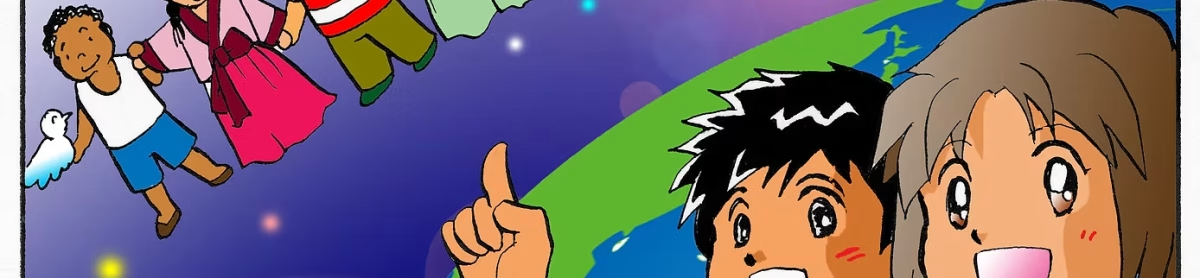
平和の浄土―非暴力の菩薩となる
お早うございます!
私は現在、ウパーヤ(善巧方便)でチャプレン(宗教的・精神的ケア提供者)の研修を受けており、この数日間、平和について語り合ってきました。講師の一人に、非暴力について講演されたジョン・ディア神父がいました。神父は、アンリ・ナウエンやティク・ナット・ハンのような偉大な平和活動家・人道主義者の生涯と、ご自身の数十年にわたる活動とを織り交ぜながら話されました。そして、私の心に残る言葉を語られました。
私たちは皆、「非暴力の菩薩」となることを目指すべきである、と。
私はこの言葉を心に留め、静かに坐して味わってきました。
ティク・ナット・ハンは、浄土とは、この世の生を終えた後にたどり着く遠い楽園ではないと説きました。浄土はここにあります。今、この部屋の中にあります。私たちが自らの身体、自らの呼吸、そして世界との接し方を通して、平和を生きたものとするとき、そこに浄土が現れるのです。
そして大切なのは、誰一人として、それを独りで行うのではないということです。ティク・ナット・ハンは、これを「相互存在(interbeing)」と呼びました。私の呼吸は、外に立つ木々とつながっています。私の平和は、あなたの平和とつながっています。ですから、言葉であれ、思いであれ、政策であれ、癒やされずに残された傷であれ、どこかに暴力があれば、それはそこだけにとどまりません。網の目全体へと波紋のように広がり、暴力をもたらした本人にも返ってくるのです。
非暴力は、まさにそこから始まります。外側からではなく、この内側からです。
アンリ・ナウエンは、それを簡潔に表現しました。私たちは皆、傷ついています。そして、私たちには選択があります。
自分の痛みを他者へ渡していく、「傷ついた加害者(wounded wounders)」となるのか。それとも、その痛みを他者への優しさの源へと変える、「傷ついた癒やし手(wounded healers)」となるのか。
この選択こそ、修行のすべてなのです。
自分自身の恐れや悲しみを正直に見つめないとき、私はそれらに突き動かされて反応します。頑なになり、自分の考えを確信し、自分が正しく、相手が間違っている理由を積み上げます。それは暴力には見えないかもしれません。しかし、平和のために開いていなければならない扉を閉ざしてしまいます。ティク・ナット・ハンは『インタービーイング』の中で、自分の見解に執着しているならば、「たとえ真理が扉を叩いても、私たちはそれを中へ入れることを拒むだろう」と警告しています。
しかし、自分自身の傷を優しく抱くことができるとき、何かが変わり始めます。傷は武器であることをやめ、入り口となります。それが菩薩の道です。謙虚で、穏やかで、厳しい世界にあっても、柔らかな心を保とうとする道です。
私は、それを三つの小さな実践として考えています。
自分の見解を固く握り締めず、勝つことを求めるのではなく、ただ理解しようとすること。
意見が異なるときにも、傷つける言葉ではなく、癒やす言葉を語ること。
そして、ただその場にとどまり続けること。病室でも、世界でも、ニュースに接するときにも、苦しみから目を背けないこと。自分自身の絶望によって、さらに苦しみを加えないこと。ただ優しく、その場にとどまり、見届けることです。
それが平和の浄土です。苦しみから逃れることではなく、それ以上の暴力を加えずに苦しみに向き合うことです。それは一度達成して終わるものではありません。一呼吸ごとに、一語ごとに、傷を臨在へと変え続ける、生涯にわたる歩みなのです。
私たちが、思いにおいて、言葉において、そして触れ合いにおいて、非暴力を実践する勇気を持つことができますように!
ありがとうございました。
すべての生きとし生けるものが、安全で、穏やかで、平和でありますように!
露風
.
Pure Land of Peace: Becoming Bodhisattvas of Nonviolence
Good morning.
I’m currently in Chaplaincy training at Upaya and spent the last few days discussing peace. One of the speakers was Fr. John Dear, who spoke on nonviolence. He wove together the lives of great peacemakers and humanitarians like Henri Nouwen and Thich Nhat Hanh with his own decades of activism. And he said something that has stayed with me: we should all strive to be bodhisattvas of nonviolence.
I’ve been sitting with that phrase.
Thich Nhat Hanh taught that the Pure Land isn’t some distant paradise we reach after this life is over. It’s here. Now. In this room. It’s what happens when we bring peace alive through our own bodies, our own breath, our own way of meeting the world.
And here’s the thing, none of us do that alone. Thich Nhat Hanh called this interbeing. My breath is tied to the trees outside. My peace is tied to your peace. So, when there’s violence anywhere in a word, a thought, a policy, a wound left unhealed it doesn’t stay contained. It ripples through the whole web. Including back into the one who caused it.
That’s really where nonviolence begins. Not out there. In here.
Henri Nouwen put it simply: we are all wounded. And we get to choose, will we become wounded wounders, passing our pain on to others? Or wounded healers, letting our pain become the very thing that makes us tender toward others?
That choice is really the whole practice.
When I don’t look honestly at my own fear or grief, I react from it. I get rigid. Certain. I build a case for why I’m right and you’re wrong. It doesn’t look like violence. But it closes a door that peace needs open. In Interbeing, Thich Nhat Hanh warns us that when we are attached to our own views, “even truth may come knocking at the door and we will refuse to let it in.”
But when I can hold my own wounds gently that’s when something shifts. The wound stops being a weapon and starts being a doorway. That’s the bodhisattva path. Humble. Gentle. Willing to stay soft in a hard world.
I think of it in three small ways. Holding my views loosely not needing to win, just wanting to understand. Speaking words that heal rather than wound even when I disagree. And just staying present. Not turning away from suffering, in the hospital room, in the world, in the news. Not adding to it with my own despair. Just staying, gently, as a witness.
That’s the Pure Land of Peace. Not an escape from suffering but meeting it without adding more violence to it. It’s not something we achieve once. It’s breath by breath. Word by word. A lifelong turning of wounds into presence.
May we have the courage to practice nonviolence in our thoughts, our speech, and our touch.
Thank you. May all beings be safe, gentle, and at peace.
Rofu
.
.
.

,
,
,
 平和・平安:非戦・非核 Peace/Safety: No War/No Nuke